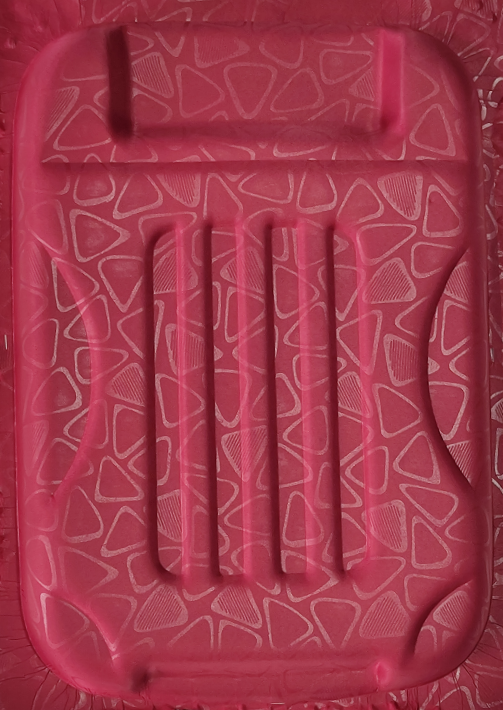
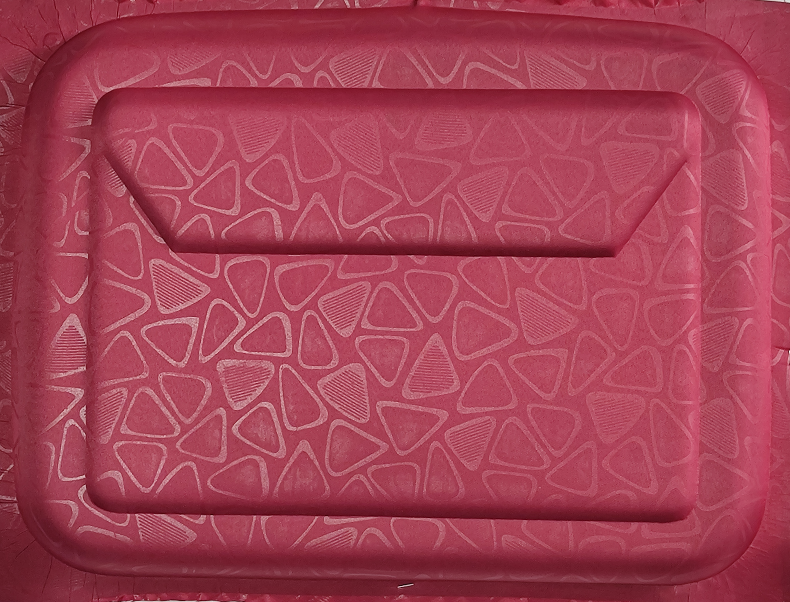
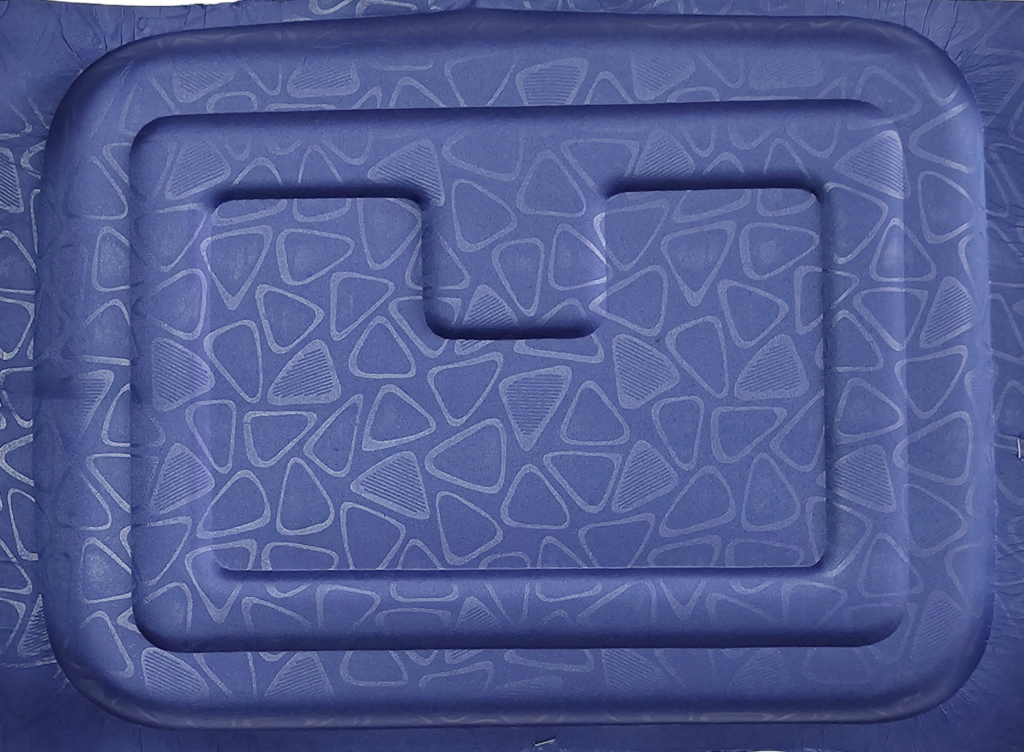
Luggage Shell

Choosing between hard- and soft-shell luggage depends on your travel style and priorities. Hard-shell luggage is known for its durability, protection, and water resistance, while soft-shell luggage offers flexibility, extra storage, and a lighter weight.

Hard-shell luggage is known for its rigid and protective exterior. It is made from materials like polycarbonate and aluminum, which protect against impact and offer excellent water resistance. Hard cases are great for securing fragile items, but their inflexible nature means they cannot be squeezed into tight spaces and usually lack exterior pockets.

Soft-shell luggage is made from flexible fabrics such as nylon or polyester, giving it more “give” for over-packers and allowing it to be compressed into smaller storage areas. It is generally lighter than hard luggage and typically features exterior pockets for quick access to travel documents and other items. However, soft cases offer less protection for fragile goods and are not as water-resistant.


Comparison of hard-shell vs. soft-shell luggage
 
Characteristic Hard-shell suitcasesSoft-shell suitcases
ProtectionExcellent for fragile items like electronics and glassware due to a rigid, impact-resistant shell.Moderate protection; the flexible exterior can be prone to tearing and offers less security for fragile contents.
DurabilityMade from durable plastics like polycarbonate and ABS, or metal like aluminum. While strong, the surface can show scratches and scuffs.Made from fabrics like woven nylon or polyester, which are more resilient to impacts that can crack a hard case.
FlexibilityRigid, which makes it harder to squeeze into tight spaces like crowded overhead compartments or car trunks.Highly flexible, allowing it to fit into smaller areas more easily. Many models also feature expandable zippers.
PocketsTypically lacks exterior pockets, limiting quick access to items like travel documents or laptops.Often includes multiple exterior pockets for easy access to essentials.
Water resistanceExcellent due to the solid, non-porous shell, protecting contents from rain and spills.Generally less water-resistant, though high-quality fabrics and coatings can offer some protection.
WeightCan be slightly heavier due to the robust materials and construction. Lightweight options made from materials like polypropylene are available.Tends to be lighter, which can be an advantage for avoiding airline weight restrictions, especially for carry-ons.
SecurityMany hard-shell bags feature integrated TSA-approved combination locks, which can offer more security against theft.Less secure, as the fabric can be cut or torn. Lacks built-in locks, which must be purchased separately.
PackingOpens like a clamshell into two equal compartments, requiring more floor space to pack.Opens with a hinged lid, making it easier to pack in smaller spaces.
AppearanceOften features a sleek, modern, and professional aesthetic, though it can show scratches.Has a more classic, casual look that tends to hide wear and tear more easily.
CleaningEasy to clean by simply wiping down the surface with a damp cloth.More difficult to clean, as stains can soak into the fabric.
 
Scroll to Top